7 Best Cross Training Shoes for Flat Feet
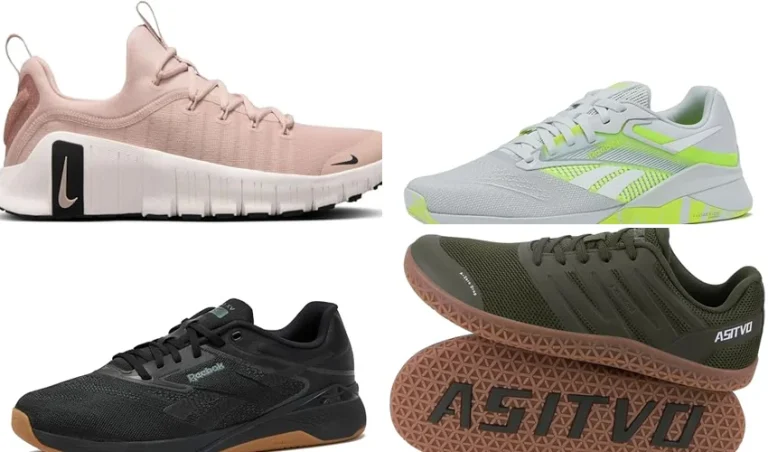
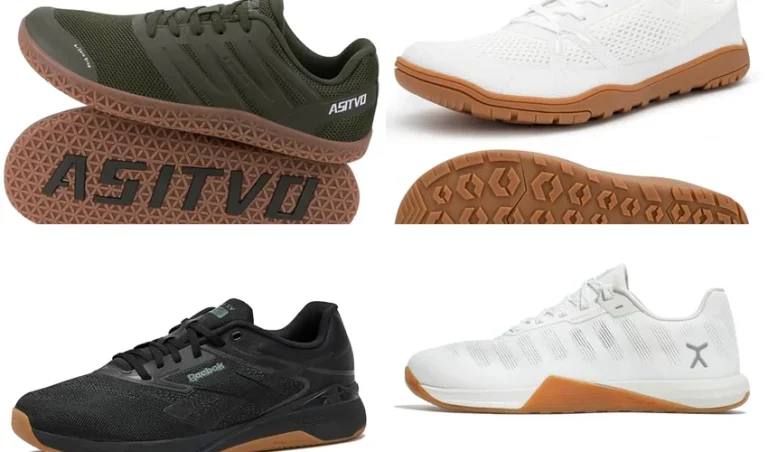
The best cross training shoe for flat feet depends on your needs. The Men’s Orthopedic Waterproof Running Shoes excel at arch support and heel pain relief for serious flat-foot issues, while the VEVOR Cross Training Shoes offer budget-friendly stability with wide toe box comfort. For minimalist enthusiasts, the relxfeet Barefoot Shoes strengthen foot muscles naturally while maintaining flat-foot support.
Each option balances cushioning, arch support, and flexibility differently. Whether you prioritize medical-grade support or natural movement, you’ll find a shoe that keeps your feet stable and pain-free during intense workouts.
Quick Comparison Table
| Product | Arch Support Level | Toe Box Width | Cushioning Type | Best Activity | Weight |
|---|---|---|---|---|---|
| relxfeet Minimalist Barefoot | Minimal (natural) | Wide | Zero-drop sole | Cross-training, lifting | 0.55 lbs |
| Men’s Orthopedic Waterproof | Robust/Advanced | Standard | High cushioning | Trail running, hiking | N/A |
| Nike MC Trainer 3 | Tuned support | Standard | Foam midsole | Gym workouts | N/A |
| VEVOR Cross Training | Stable arch support | Wide | MD rubber sole | Strength training | Lightweight |
| PUMA Softride Enzo | Moderate | Standard | SoftFoam+ EVA | All-day comfort | N/A |
| Hoka Bondi 9 | Moderate | Standard | Maximum cushioning | Long-distance comfort | N/A |
| Barefoot Shoes Men Women | Removable insole support | Wide | Zero-drop sole | Hiking, gym | Lightweight |
1. Men’s Orthopedic Waterproof Running Shoes – Advanced Arch Support Champion

Best for: People with flat feet experiencing heel pain or plantar fasciitis who need medical-grade support.
Key Features:
| Feature | Details |
| Arch Support | Robust, designed for flat feet |
| Shock Absorption | High-impact cushioning materials |
| Traction | Excellent wet and dry grip |
| Breathability | Lightweight, breathable design |
| Waterproof | Yes, keeps feet dry |
The Men’s Orthopedic Waterproof Running Shoes are built specifically for flat-footed athletes dealing with pain. These shoes feature advanced arch support that aligns your feet properly and reduces strain on your knees and lower back. The high-cushioning materials absorb impact effectively, protecting your joints during intense workouts.
The breathable materials keep your feet cool and dry even during long training sessions. The durable outsole provides excellent traction on any surface, making them perfect for trail running or hiking. The ergonomic design molds to your feet over time for a custom fit.
These are ideal for people who prioritize support over minimalism. If you have chronic flat-foot pain, this is your solution.
Pros:
- Advanced arch support for pain relief
- Waterproof and breathable
- Excellent shock absorption
- Versatile for multiple activities
Cons:
- Higher price point at $65.98
- Not ideal for minimalist training
2. VEVOR Cross Training Shoes – Budget-Friendly Flat-Foot Support

Best for: Budget-conscious flat-footed athletes needing solid arch support and a wide toe box.
Key Features:
| Feature | Details |
| Arch Support | Stable, flat-foot friendly |
| Toe Box | Widened forefoot design |
| Outsole | MD rubber with anti-slip |
| Upper Material | Leather and Oxford fabric |
| Weight | Lightweight construction |
The VEVOR Cross Training Shoes deliver exceptional value at just $30.62. These shoes feature stable arch support specifically designed for flat feet, with a widened forefoot that enhances power and stability. The breathable insole absorbs sweat and keeps your feet fresh throughout your workout.
The MD rubber outsole provides strong grip with anti-slip patterns, keeping you secure during lateral movements. The leather and Oxford fabric upper is durable and maintains its shape after washing. The adjustable laces let you customize the fit perfectly.
For the price, you’re getting serious flat-foot support without breaking the bank. Perfect for gym workouts, weightlifting, and cardio training.
Pros:
- Excellent value at $30.62
- Wide toe box for comfort
- Stable arch support
- Durable materials
Cons:
- Less cushioning than premium options
- Limited color choices
3. relxfeet Men’s Minimalist Barefoot Shoes – Natural Movement for Flat Feet
Best for: Flat-footed athletes wanting to strengthen foot muscles through minimalist, zero-drop training.
Key Features:
| Feature | Details |
| Sole Design | Zero-drop for natural movement |
| Toe Box | Wide, allows toe spreading |
| Weight | Ultra-light at 0.55 lbs |
| Flexibility | Passes 80,000 flex tests |
| Material | Compressed flyweave |
The relxfeet Minimalist Barefoot Shoes offer a unique approach to flat-foot support through natural movement. These ultra-lightweight shoes weigh just 0.55 lbs per shoe, reducing burden on your feet during any cross-training activity. The zero-drop sole encourages your feet to move naturally, strengthening foot and calf muscles over time.
The wide toe box prevents toe compression and improves grip and foot feeling. The high-density rubber sole is incredibly flexible, passing 80,000 consecutive bends and rotations without losing stability. Perfect for boxing, running, weightlifting, aerobics, and hiking.
These shoes work best if you’re willing to transition gradually to minimalist training. Great for building long-term foot strength.
Pros:
- Ultra-lightweight design
- Strengthens foot muscles
- Wide toe box
- Extremely durable
Cons:
- Minimal cushioning may feel jarring
- Requires gradual transition period
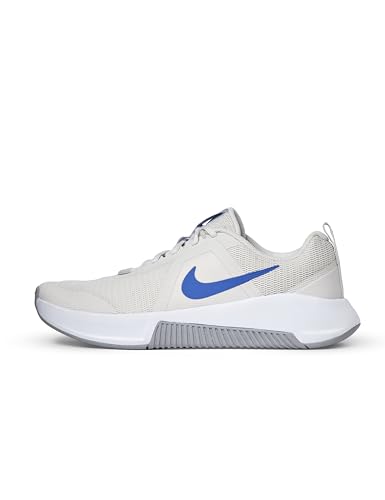
4. Nike MC Trainer 3 – Gym-Focused Stability and Support

Best for: Flat-footed gym-goers needing lateral stability and balanced cushioning for weight training.
Key Features:
| Feature | Details |
| Support System | Tuned support with intentional cushioning |
| Base Design | Flat, stable foundation |
| Midsole | Foam with forefoot flex grooves |
| Traction | Versatile rubber patterns |
| Durability | Toe and heel reinforcement |
The Nike MC Trainer 3 is engineered for gym stability and lateral movements. The tuned support system combined with intentionally placed cushioning keeps your stance secure during intense workouts. The flat, stable base helps you stay grounded when making side-to-side movements.
Forefoot flex grooves provide natural movement where you need it most. The foam midsole cushions both forefoot and heel impact, protecting your joints during rigorous exercise. Rubber traction patterns support movement in multiple directions.
These shoes excel at weight training and gym workouts. The reinforced toe and heel areas add durability for high-wear zones.
Pros:
- Excellent lateral stability
- Flat base for weight training
- Balanced cushioning
- Durable construction
Cons:
- Premium price at $68.97
- Not ideal for running
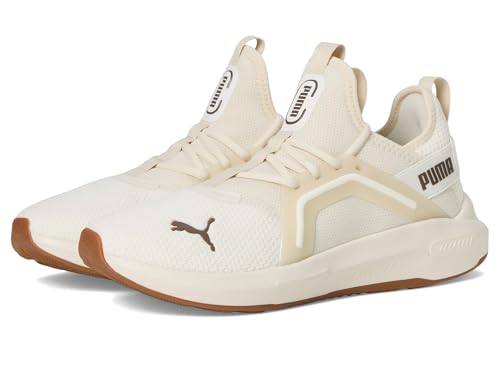
5. PUMA Softride Enzo – All-Day Comfort and Cushioning
Best for: Flat-footed athletes seeking maximum cushioning and all-day comfort for prolonged wear.
Key Features:
| Feature | Details |
| Cushioning | SoftFoam+ with thick heel |
| Technology | Softride EVA extreme cushioning |
| Upper Design | Progressive language and TPU caging |
| Construction | Sleek clamshell design |
| Sustainability | 30% recycled material |
The PUMA Softride Enzo delivers extreme cushioning through SoftFoam+ and Softride EVA technology. The step-in comfort sockliner features extra-thick heel padding, perfect for flat-footed athletes needing shock absorption. This shoe prioritizes comfort above all else.
The progressive upper design and TPU caging provide support while the sleek clamshell construction looks modern and stylish. The shoe’s upper is made with at least 30% recycled material, supporting sustainability. Great for all-day wear and various activities.
Perfect if you want maximum cushioning without sacrificing style. These work well for casual training and everyday activities.
Pros:
- Extreme cushioning for comfort
- Eco-friendly materials
- Stylish design
- Great for all-day wear
Cons:
- Heavy cushioning may feel bulky
- Not ideal for minimalist training
6. Hoka Men’s Bondi 9 – Maximum Cushioning Premium Choice

Best for: Flat-footed runners and athletes seeking maximum cushioning and premium comfort for long distances.
Key Features:
| Feature | Details |
| Upper Material | Engineered mesh |
| Lining | Textile for comfort |
| Cushioning | Maximum impact protection |
| Fit | Comfortable and secure |
| Price Point | Premium at $166.20 |
The Hoka Men’s Bondi 9 represents the premium end of cushioning technology. These shoes feature engineered mesh uppers with textile lining designed for maximum comfort. The extreme cushioning protects your joints during long-distance running and intense training sessions.
Hoka is known for building the most cushioned shoes on the market, and the Bondi 9 delivers that promise. Perfect for flat-footed athletes who log serious miles and need maximum impact protection. The premium price reflects the quality and technology inside.
Best for serious runners prioritizing comfort and protection above all else.
Pros:
- Maximum cushioning available
- Excellent for long distances
- Premium quality construction
- Superior comfort
Cons:
- Expensive at $166.20
- Very heavy and bulky
7. Barefoot Shoes Men Women – Minimalist Zero-Drop Alternative
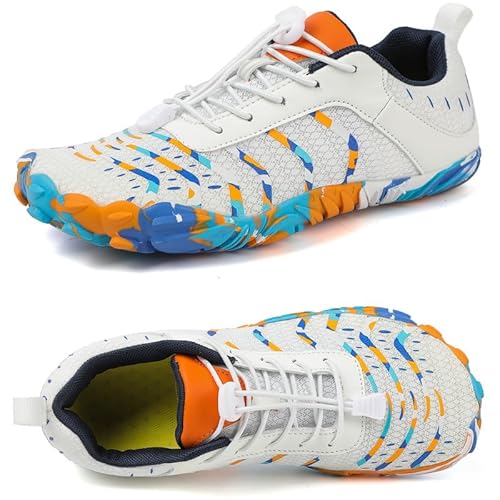
Best for: Flat-footed athletes wanting natural movement with removable arch support for customizable training.
Key Features:
| Feature | Details |
| Toe Box | Wide for natural spreading |
| Drop | Zero-drop sole design |
| Arch Support | Removable insoles |
| Traction | Lug sole for all terrains |
| Versatility | Unisex design |
The Barefoot Shoes Men Women offer a unisex minimalist option with removable insoles for customizable support. The wide toe box allows your toes to spread naturally, freeing pressure on your feet. The zero-drop sole encourages midfoot striking and better balance.
Removable insoles provide arch support without excessive pressure on the soles. The lug sole improves traction on dirt, mud, gravel, and rocks for outdoor adventures. These shoes excel at gym workouts, hiking, weightlifting, and casual daily wear.
Perfect for athletes wanting flexibility between minimalist and supported training styles.
Pros:
- Removable insole customization
- Wide toe box freedom
- Excellent traction
- Unisex design
Cons:
- Minimal cushioning
- Requires adjustment period
How to Choose best cross training shoe for flat feet
Arch Support Level
Arch support is the most important factor for flat feet. Look for shoes with robust, built-in arch support or removable insoles that provide customizable support.
Consider whether you want medical-grade support for pain relief or natural support that strengthens your feet over time. Advanced arch support helps prevent plantar fasciitis and knee pain.
Toe Box Width
A wider toe box prevents toe compression and allows natural movement. This is especially important during intense cross-training when your feet swell.
Wide toe boxes reduce pressure on your feet and improve overall comfort. Look for shoes specifically marketed with “wide toe box” or “widened forefoot” features.
Cushioning vs. Minimalism
Decide between maximum cushioning for impact protection or minimal cushioning to strengthen foot muscles. Both approaches work for flat feet, depending on your goals.
Heavy cushioning protects joints during intense workouts, while minimalist shoes build foot strength over time. Consider your training style and any existing foot pain.
Activity Type
Different activities require different shoe features. Gym workouts need lateral stability, while running needs forward-focused cushioning.
Match your shoe choice to your primary activity. Cross-training shoes should balance support across multiple movement types.
Budget Considerations
Quality flat-foot shoes range from $30 to $166. Budget options provide solid support, while premium shoes offer advanced technology and materials.
Don’t assume expensive means better for your feet. Many affordable options deliver excellent arch support and comfort.
Frequently Asked Questions
Can flat-footed people wear minimalist shoes?
Yes, but transition gradually. Minimalist shoes strengthen foot muscles over time, but flat-footed athletes should build up slowly to avoid injury.
What’s the difference between arch support and cushioning?
Arch support aligns your foot properly, while cushioning absorbs impact. You need both for flat feet, but the balance depends on your needs.
How often should I replace cross-training shoes?
Replace shoes every 300-500 miles of activity or when you notice wear. Worn-out shoes lose arch support and cushioning effectiveness.
Are expensive cross-training shoes better for flat feet?
Not necessarily. Affordable options like VEVOR provide solid arch support, while premium shoes offer advanced technology. Choose based on features, not price alone.
Should I use custom orthotics with cross-training shoes?
If you have severe flat-foot pain, custom orthotics can help. However, many quality cross-training shoes have built-in support sufficient for most athletes.
Final Thoughts
The Men’s Orthopedic Waterproof Running Shoes offer the best combination of arch support and pain relief for serious flat-foot issues. If you’re on a budget, the VEVOR Cross Training Shoes deliver excellent support at a fraction of the price.
Focus on arch support level, toe box width, and your primary activity when choosing. Don’t overlook affordable options—they often provide better flat-foot support than premium brands.
Start with the shoe that matches your activity and budget, then adjust based on how your feet feel after a few workouts.