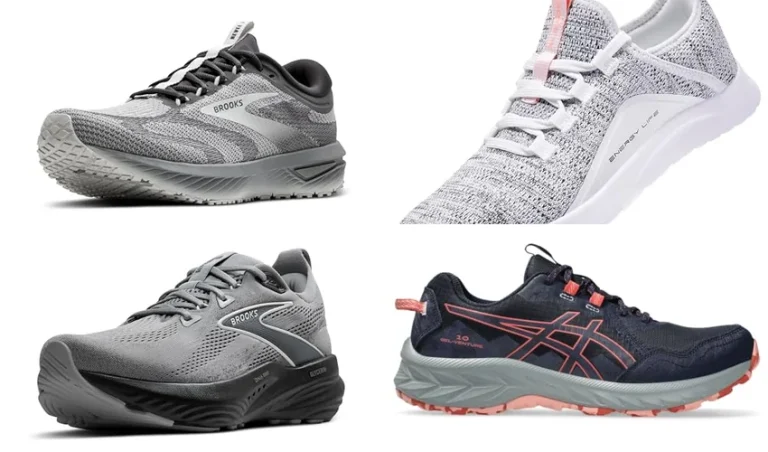
5 Best Shoes for Forefoot Strikers
The best shoe for forefoot strikers depends on your needs. The ASICS NOVABLAST 5 is best for runners wanting energetic, responsive cushioning, while the ALTRA Torin 8 excels at encouraging proper low-impact form with balanced cushioning. For stability-focused runners, the ASICS GT-2000 12 stands out with its advanced guidance system.
Forefoot strikers need shoes that prioritize responsive cushioning at the ball of the foot and encourage a natural, efficient stride. The right shoe can reduce impact stress and improve your running performance significantly.
Quick Comparison Table
| Product | Cushioning Type | Stability Features | Upper Material | Best For | Weight Category |
|---|---|---|---|---|---|
| ASICS NOVABLAST 5 | FF BLAST MAX (responsive) | Trampoline outsole | Engineered jacquard mesh | Energetic runners | Lightweight |
| ASICS Gel-Kayano 32 | Rearfoot PureGEL (soft) | 4D GUIDANCE SYSTEM | Engineered mesh | Comfort-focused runners | Moderate |
| ASICS GT-2000 12 | Rearfoot PureGEL | 3D GUIDANCE SYSTEM | Jacquard mesh | Stability seekers | Moderate |
| ALTRA Torin 8 | Balanced cushioning | FootShape toe box | Breathable upper | Natural form runners | Lightweight |
| Jack Wolfskin Force Striker | EVA midsole | FORCE PLATE forefoot | Textile upper | Hiking/trail | Lightweight |
1. ASICS NOVABLAST 5 – Best for Responsive Energy Return

Best for: Forefoot strikers who want a bouncy, energetic feel with excellent responsiveness on road runs.
Key Features:
| Feature | Details |
| FF BLAST MAX Cushioning | Lightweight, energetic bounce |
| Trampoline Outsole | Responsive spring-back design |
| Engineered Mesh Upper | Breathable and supportive fit |
| Tongue Wing Construction | Reduces tongue movement |
| Reflective Details | Low-light visibility |
The ASICS NOVABLAST 5 is the best choice for forefoot strikers seeking maximum energy return and responsiveness. The FF BLAST MAX cushioning technology provides a lightweight, bouncy feel that’s perfect for tempo runs and speed work. The trampoline-inspired outsole design gives you that spring-back sensation with every step, making your forefoot landings feel effortless. The engineered mesh upper keeps your feet cool and comfortable during longer runs. The tongue wing construction prevents annoying shifting during your workout. Overall, this shoe delivers an incredibly responsive ride without feeling heavy on your feet.
Pros:
- Excellent energy return
- Lightweight and responsive
- Breathable mesh upper
- Great for speed work
Cons:
- Less cushioning for long distances
- May feel firm underfoot initially
2. ASICS Gel-Kayano 32 – Best for Maximum Comfort and Softness

Best for: Forefoot strikers prioritizing plush cushioning and stability for daily training runs.
Key Features:
| Feature | Details |
| Rearfoot PureGEL | 65% softer than standard GEL |
| 4D GUIDANCE SYSTEM | Dynamic stability response |
| 3D SPACE CONSTRUCTION | Adapts to individual gait |
| Engineered Mesh Upper | Lightweight, minimal overlays |
| Knit Heel Pull Tab | Easy on and off |
The ASICS Gel-Kayano 32 is designed for forefoot strikers who value maximum comfort and a softer underfoot feel. The updated rearfoot PureGEL technology is 65% softer than standard GEL, creating a cloud-like sensation with every step. The 4D GUIDANCE SYSTEM adapts to your body’s movements, providing personalized stability exactly when you need it. The 3D SPACE CONSTRUCTION works with your natural gait differences, making the shoe feel custom-fitted to your running style. This shoe excels during long training runs where comfort matters most. The engineered mesh upper keeps things breathable without unnecessary weight.
Pros:
- Exceptionally soft cushioning
- Excellent stability features
- Adapts to your gait
- Perfect for long runs
Cons:
- Heavier than racing shoes
- Higher price point
3. ASICS GT-2000 12 – Best for Stability and Eco-Conscious Runners

Best for: Forefoot strikers needing advanced stability with a commitment to sustainable materials.
Key Features:
| Feature | Details |
| 3D GUIDANCE SYSTEM | Advanced stability support |
| Rearfoot PureGEL | Lightweight cushioning |
| Recycled Content Upper | 50% recycled materials |
| Eco-Friendly Sockliner | 33% less water usage |
| Jacquard Mesh Upper | Supportive and comfortable |
The ASICS GT-2000 12 is ideal for forefoot strikers who want stability without sacrificing environmental responsibility. The 3D GUIDANCE SYSTEM provides advanced support for a smoother, more controlled stride. The rearfoot PureGEL technology offers lightweight cushioning that doesn’t slow you down. What sets this shoe apart is its commitment to sustainability—50% of the upper uses recycled content, and the sockliner production reduces water usage by 33% and carbon emissions by 45%. The jacquard mesh upper provides excellent support while remaining breathable. This is the perfect shoe if you care about your performance and the planet.
Pros:
- Excellent stability features
- Eco-friendly materials
- Smooth stride support
- Great value price
Cons:
- Less responsive than NOVABLAST
- Moderate cushioning level
4. ALTRA Torin 8 – Best for Natural Running Form

Best for: Forefoot strikers wanting to encourage natural, low-impact running form with a wider toe box.
Key Features:
| Feature | Details |
| Balanced Cushioning | Equal heel-to-forefoot height |
| FootShape Toe Box | Allows natural toe spreading |
| APMA Seal Approved | Promotes foot health |
| Low-Impact Form | Encourages proper alignment |
| Breathable Upper | Comfortable ventilation |
The ALTRA Torin 8 is perfect for forefoot strikers seeking to run with natural, biomechanically-correct form. The signature balanced cushioning places your heel and forefoot at the same distance from the ground, eliminating the artificial heel-toe drop that can alter your natural gait. The FootShape toe box gives your toes room to spread naturally, reducing pressure and improving comfort. This shoe earned the American Podiatric Medical Association Seal of Acceptance, confirming its commitment to foot health. The design encourages proper, low-impact running throughout your entire stride. If you want to run the way your body naturally wants to, this is your shoe.
Pros:
- Promotes natural running form
- Spacious toe box
- APMA certified
- Reduces impact stress
Cons:
- Takes adjustment period
- Not ideal for speed work
5. Jack Wolfskin Force Striker Texapore Mid – Best for Hiking and Trail Running

Best for: Forefoot strikers who need a hybrid shoe for hiking, trail running, and outdoor adventures.
Key Features:
| Feature | Details |
| EVA Midsole | Good cushioning and support |
| FORCE PLATE | Thin forefoot stability |
| TEXAPORE O2+ Membrane | Waterproof and breathable |
| Mid-Cut Design | Ankle support |
| Textile Upper | Durable and lightweight |
The Jack Wolfskin Force Striker is the best choice for forefoot strikers who venture beyond road running into trails and hiking. The EVA midsole provides precise motion guidance with excellent cushioning for uneven terrain. The FORCE PLATE technology creates a thin, stabilizing forefoot plate that responds dynamically to your movements—perfect for forefoot strikers navigating rocky trails. The TEXAPORE O2+ membrane keeps your feet dry in wet conditions while maintaining breathability. The mid-cut design offers ankle support on technical trails. This shoe bridges the gap between running and hiking, making it ideal for outdoor enthusiasts who want forefoot-friendly performance everywhere.
Pros:
- Versatile road and trail use
- Waterproof protection
- Responsive forefoot plate
- Affordable price
Cons:
- Heavier than road shoes
- Limited color options
How to Choose best shoe for forefoot strikers
Understand Your Forefoot Strike Pattern
Forefoot striking means your foot lands on the ball of your foot first, rather than your heel. This natural running pattern is common among sprinters and distance runners alike.
Look for shoes with responsive cushioning in the forefoot area and a lower heel-to-toe drop ratio. Many forefoot strikers prefer shoes with 4-8mm drop or even zero-drop designs.
Prioritize Forefoot Cushioning
Your forefoot takes the most impact when you strike, so cushioning in this area is critical. Choose shoes with technologies like ASICS’ FF BLAST MAX or ALTRA’s balanced cushioning.
Test shoes by pressing on the forefoot—it should feel responsive but not rock-hard. You want cushioning that absorbs impact without feeling spongy.
Consider Stability and Guidance Features
Stability doesn’t mean motion control—it means support that helps you run efficiently. Look for features like ASICS’ GUIDANCE SYSTEMS or ALTRA’s FootShape toe boxes.
If you overpronate or need extra support, prioritize shoes with guidance technologies. If you have a neutral gait, you can choose based on comfort preference.
Check the Heel-to-Toe Drop
Most forefoot strikers prefer lower drops (4-8mm) or even zero-drop shoes. Higher drops can force your foot into a heel-striking pattern unnaturally.
If you’re transitioning from traditional shoes, gradually move to lower drops over several weeks to let your body adapt.
Test for Comfort and Fit
Always try shoes on in the afternoon when your feet are slightly swollen from the day’s activity. This gives you the most accurate fit.
Make sure there’s about a thumb’s width of space between your longest toe and the shoe’s end. Your heel shouldn’t slip when running.
Frequently Asked Questions
What makes a shoe good for forefoot strikers?
Good forefoot striker shoes have responsive cushioning in the forefoot area, lower heel-to-toe drops, and features that encourage natural running form. They should feel bouncy and supportive without excessive heel cushioning.
Should forefoot strikers wear zero-drop shoes?
Zero-drop shoes can work well for forefoot strikers, but they’re not required. Many forefoot strikers prefer 4-8mm drops for a balance of responsiveness and comfort. Transition gradually if switching from higher drops.
Can I use road running shoes for trails?
Road running shoes aren’t ideal for trails due to less aggressive tread and limited ankle support. The Jack Wolfskin Force Striker is a better hybrid option if you need versatility.
How often should I replace my running shoes?
Replace running shoes every 300-500 miles or when you notice decreased cushioning and responsiveness. Track your mileage to know when replacement time is approaching.
Do forefoot strikers need special insoles?
Most forefoot strikers don’t need special insoles if they have a good shoe designed for their strike pattern. However, if you have flat feet or other issues, consult a podiatrist.
Final Thoughts
The ASICS NOVABLAST 5 is our top pick for most forefoot strikers seeking the best balance of responsiveness and value. Focus on shoes with responsive forefoot cushioning, lower drops, and features that support your natural running form. Take time to find your perfect fit—the right shoe will transform your running experience and help prevent injuries.