5 Best Shoes for Lifting Weights Revealed
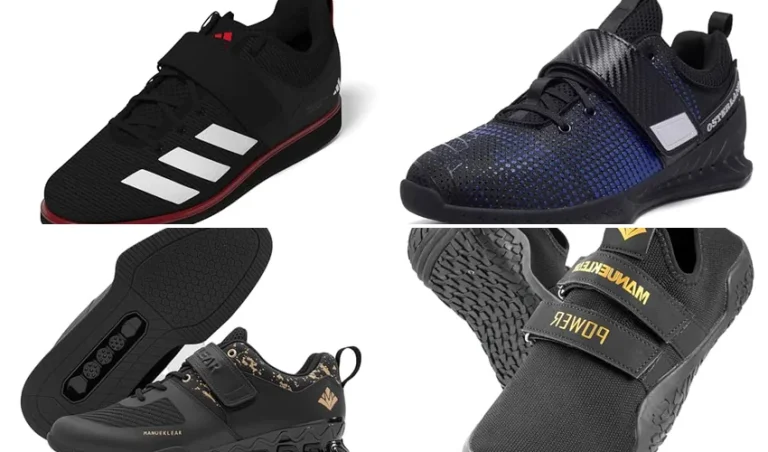
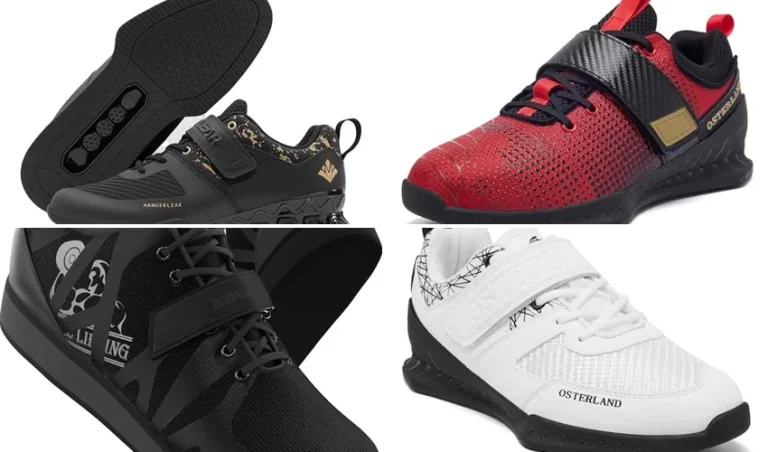
The best shoe for lifting weights depends on your needs. The MANUEKLEAR Strong Anti-Slip is best for lifters wanting premium stability with eco-friendly materials, while the MANUEKLEAR Deadlift Shoe excels at lightweight versatility for multiple workout types. For serious powerlifters, the adidas Powerlift 5 stands out with its trusted brand reputation and professional-grade construction.
Lifting shoes aren’t just regular sneakers—they’re specially designed to keep your feet stable during heavy lifts. A good lifting shoe gives you better balance, reduces injury risk, and helps you lift heavier weights safely.
Quick Comparison Table
| Product | Heel Height | Weight | Fastening System | Outsole Material | Best For |
|---|---|---|---|---|---|
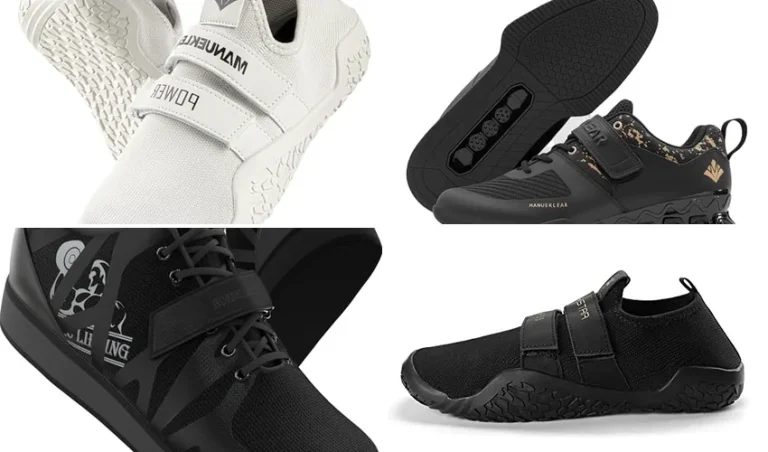
| MANUEKLEAR Strong Anti-Slip | 2cm elevated | Moderate | Laces + magic tape | Rubber honeycomb | Heavy lifting |
| MANUEKLEAR Deadlift Shoe | Minimal | 217g (light) | Double velcro straps | Sturdy rubber | Versatile training |
| Osterland Weightlifting Shoes | 1.3 inches | Moderate | Double velcro straps | Durable rubber | CrossFit & squats |
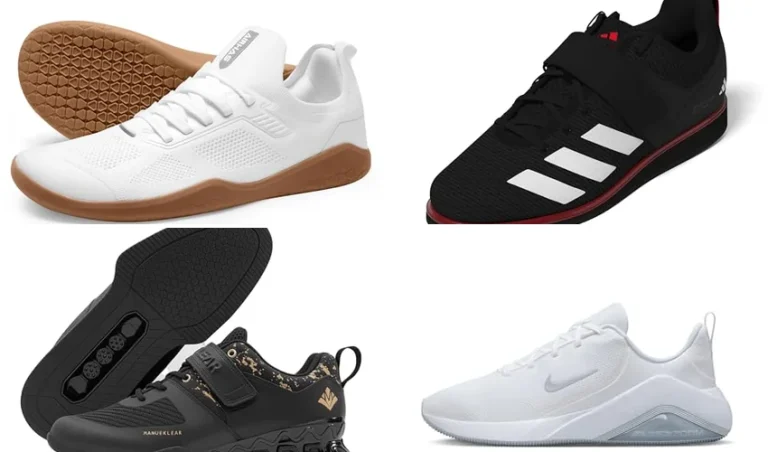
| adidas Powerlift 5 | 15mm | Light | Laces + hook-and-loop | Rubber | All-around lifting |
| Nordic Lifting Powerlifting Shoes | Elevated | Moderate | Lace-up | Non-slip rubber | Heavy powerlifting |
Best Shoes for Lifting Weights
1. MANUEKLEAR Strong Anti-Slip – Premium Stability for Heavy Lifts

Best for: Serious lifters who want maximum stability and eco-friendly construction for squats and deadlifts.
Key Features:
| Feature | Details |
| Heel Support | Reinforced 2cm elevated heel |
| Fastening | Laces and magic tape straps |
| Outsole | Honeycomb rubber pattern |
| Materials | TPU, rubber, Oxford cloth |
| Stability | Widened, heightened heel design |
The MANUEKLEAR Strong Anti-Slip is the best choice for lifters seeking premium stability and environmental responsibility. This shoe combines eco-friendly materials with serious lifting performance, giving you confidence during heavy compound movements.
Built with TPU and Oxford cloth, these shoes resist moisture and tear damage while maintaining breathability. The thick interior lining keeps sweat at bay and ensures comfort during long gym sessions.
The reinforced heel and widened design provide exceptional ground contact, preventing wobbling during explosive movements. The honeycomb outsole pattern dramatically improves traction and keeps you planted firmly on the ground.
You get a secure, locked-in fit thanks to the dual fastening system of laces and magic tape. The 2cm heel elevation reduces calf strain and supports proper lifting posture for maximum performance.
If you want a premium lifting shoe that doesn’t compromise on environmental values, this is your best bet. The combination of stability, durability, and eco-conscious design makes it worth the investment.
Pros:
- Excellent heel support and stability
- Eco-friendly sustainable materials
- Strong honeycomb traction pattern
- Dual fastening system for security
Cons:
- Higher price point than alternatives
- May feel stiff for beginners
2. MANUEKLEAR Deadlift Shoe – Lightweight Versatility Champion

Best for: Gym-goers who want a lightweight, flexible shoe that works for multiple workout types beyond just lifting.
Key Features:
| Feature | Details |
| Weight | Only 217g per shoe |
| Upper Material | Breathable mesh fabric |
| Fastening | Double nylon velcro tape |
| Flexibility | 720-degree free roll |
| Sole Design | Front and rear bump pattern |
The MANUEKLEAR Deadlift Shoe is perfect for lifters who value lightweight comfort and adaptability. At just 217 grams, it feels like wearing socks while still providing the support you need for serious training.
The breathable mesh upper keeps your feet dry and comfortable throughout intense workouts. The sturdy rubber sole provides excellent firmness and resists wear, even with frequent use.
Double velcro straps make putting on and taking off a breeze, and the heel support pad improves ankle stability. The bionic sole design offers great flexibility and adhesion friction for explosive movements.
You get incredible versatility here—use these for weight training, CrossFit, cycling, jogging, or hiking. The 720-degree free roll design gives you natural foot movement while maintaining grip and traction.
If you want a shoe that does it all without weighing you down, this is an excellent budget-friendly option. The lightweight construction doesn’t sacrifice performance or durability.
Pros:
- Extremely lightweight at 217g
- Works for multiple workout types
- Easy velcro fastening system
- Excellent breathability and comfort
Cons:
- Minimal heel elevation
- Less specialized than dedicated lifting shoes
3. Osterland Weightlifting Shoes – CrossFit and Squat Specialist

Best for: CrossFit athletes and lifters who need a 1.3-inch heel for proper squat positioning and explosive movements.
Key Features:
| Feature | Details |
| Heel Height | 1.3 inches elevated |
| Upper Material | Microfiber and fabric blend |
| Fastening | Double-layer nylon velcro |
| Outsole | Anti-slip grooved rubber |
| Design | One-piece wrapped foot coverage |
The Osterland Weightlifting Shoe is designed specifically for CrossFit and squat training with a solid 1.3-inch heel. This heel height promotes proper lifting posture and helps you achieve deeper, safer squats with better form.
The microfiber and fabric upper breathes well, keeping sweat away from your feet during intense training sessions. The durable rubber outsole with anti-slip grooves ensures you never slip during high-intensity movements.
Double-layer velcro straps wrap around your entire foot, creating exceptional stability and security. The one-piece design maximizes foot coverage, giving you confidence during heavy lifts and explosive movements.
These shoes are engineered for weightlifting, squatting, CrossFit, and deadlifting with ergonomic precision. You’ll notice improved stability and better lifting posture from your first workout.
For CrossFit athletes and squat enthusiasts, this shoe delivers reliable performance at a competitive price. The combination of heel height, traction, and stability makes it a smart choice.
Pros:
- Ideal 1.3-inch heel for squats
- Excellent anti-slip grooved sole
- Durable microfiber construction
- Strong double-layer velcro straps
Cons:
- Less breathable than mesh options
- Heavier than lightweight alternatives
4. adidas Powerlift 5 – Professional Brand Trust

Best for: Lifters who want a trusted brand name with versatile performance across all lifting types and styles.
Key Features:
| Feature | Details |
| Heel Height | 15mm elevated heel |
| Upper Material | Textile and synthetic blend |
| Fastening | Laces plus hook-and-loop strap |
| Outsole | High-traction rubber |
| Weight | Light and durable construction |
The adidas Powerlift 5 is the best choice for lifters who value brand reputation and versatile performance. This professional-grade shoe works for all kinds of lifting, from squats to deadlifts to Olympic lifts.
The textile and synthetic upper offers the perfect balance of breathability, durability, and lightweight comfort. You get a shoe that’s built to last through years of serious training without compromising performance.
The 15mm heel provides excellent support and stability while keeping the shoe relatively lightweight. Adjustable laces combined with a wide hook-and-loop top strap give you a snug, secure fit that won’t slip.
The rubber outsole delivers great grip on any gym floor, keeping you planted during heavy lifts. You’re getting professional-grade equipment backed by adidas’s reputation for quality and performance.
If you want a reliable, trusted lifting shoe that works for everything, the Powerlift 5 is a smart investment. The combination of brand trust and versatile design makes it worth the premium price.
Pros:
- Trusted adidas brand quality
- Versatile for all lifting types
- Excellent dual fastening system
- High-traction rubber outsole
Cons:
- Most expensive option reviewed
- Less specialized than dedicated shoes
5. Nordic Lifting Powerlifting Shoes – Heavy Lifting Specialist

Best for: Serious powerlifters who need maximum heel support and stability for heavy compound movements.
Key Features:
| Feature | Details |
| Heel Support | Specially designed elevated |
| Fastening | Traditional lace-up system |
| Outsole | Non-slip rubber grip |
| Construction | Built for heavy stress |
| Grip | Enhanced for explosive movements |
The Nordic Lifting Powerlifting Shoe MEGIN is engineered specifically for serious powerlifters seeking maximum stability. This shoe is designed to endure heavy stress and support intense training sessions without breaking down.
The specially designed heel adds stability during both lifting and cardio, supporting multiple workout types. The ergonomic design optimizes performance for well-rounded workouts and boosts overall strength gains.
The non-slip sole offers a stable foundation perfect for intense lifting and explosive movements. The traditional lace-up system provides excellent customizable fit and security for heavy compound lifts.
This shoe is built to last through years of serious training with durable construction that withstands heavy stress. You’re getting equipment designed by lifters, for lifters who demand performance and longevity.
For dedicated powerlifters, this is a solid choice that prioritizes stability and durability. The specialized heel support and heavy-duty construction make it ideal for your most intense training sessions.
Pros:
- Specialized for powerlifting
- Durable heavy-stress construction
- Enhanced non-slip sole grip
- Excellent heel support design
Cons:
- Less versatile than all-around shoes
- Heavier than lightweight options
How to Choose Best Shoes for Lifting Weights
Heel Height Matters
The heel height of your lifting shoe directly affects your squat depth and lifting posture. Most quality lifting shoes have heels between 15mm and 1.3 inches, which helps reduce ankle mobility demands and promotes proper form.
Look for a heel height that feels comfortable for your body and lifting style. Higher heels work better for squats, while lower heels suit deadlifts and general powerlifting.
Stability and Support
A good lifting shoe should feel locked-in and stable, preventing any movement inside the shoe during heavy lifts. Look for reinforced heels, widened bases, and strong fastening systems like velcro or dual straps.
Your shoe should provide ankle support without restricting natural movement. Test the shoe by performing a squat or deadlift motion to ensure it feels secure and supportive.
Material Quality and Durability
Quality materials determine how long your shoes will last under heavy stress. Look for durable rubber outsoles, reinforced uppers, and breathable materials that won’t break down quickly.
Premium materials like microfiber, synthetic blends, and reinforced rubber will serve you better than cheap alternatives. Invest in shoes built to withstand years of intense training.
Fit and Comfort
Your lifting shoes should fit snugly without causing pain or discomfort during workouts. Many lifters prefer shoes that fit tighter than casual sneakers for better control and stability.
Make sure there’s enough room for your toes but not so much that your foot slides around. A secure fit prevents injuries and improves your lifting performance.
Versatility vs. Specialization
Decide whether you want a shoe specialized for specific lifts or a versatile option that works for everything. Specialized shoes offer better performance for their intended purpose, while versatile shoes save money and space.
If you do multiple workout types, a versatile shoe is practical. If you focus on squats or powerlifting, a specialized shoe will improve your performance.
Frequently Asked Questions
Can I use regular gym shoes for weightlifting?
Regular gym shoes lack the heel elevation and specialized support that lifting shoes provide. You’ll sacrifice stability, form, and safety—investing in proper lifting shoes is worth it for serious training.
What’s the difference between deadlift and squat shoes?
Squat shoes have higher heels (usually 1+ inch) to improve depth and reduce ankle mobility demands. Deadlift shoes have minimal heel elevation to keep you closer to the ground for better leverage.
How long do lifting shoes typically last?
Quality lifting shoes last 2-5 years with regular use, depending on training frequency and material quality. Premium construction and durable materials extend the lifespan significantly.
Are expensive lifting shoes always better?
Not necessarily—expensive brand names don’t always mean better performance. Focus on features like heel height, stability, and material quality rather than price alone.
Do lifting shoes help beginners improve their lifts?
Yes, proper lifting shoes improve form, stability, and confidence for lifters of all levels. Beginners benefit especially from the heel elevation and support that proper shoes provide.
Final Thoughts
The MANUEKLEAR Strong Anti-Slip is our top choice for lifters who want premium stability and serious performance. When choosing lifting shoes, prioritize heel height, stability, material quality, and fit over brand name alone.
Whether you’re a beginner or experienced powerlifter, investing in proper lifting shoes improves safety and performance. Pick the shoe that matches your training style and budget, and you’ll see improvements in your lifts immediately.