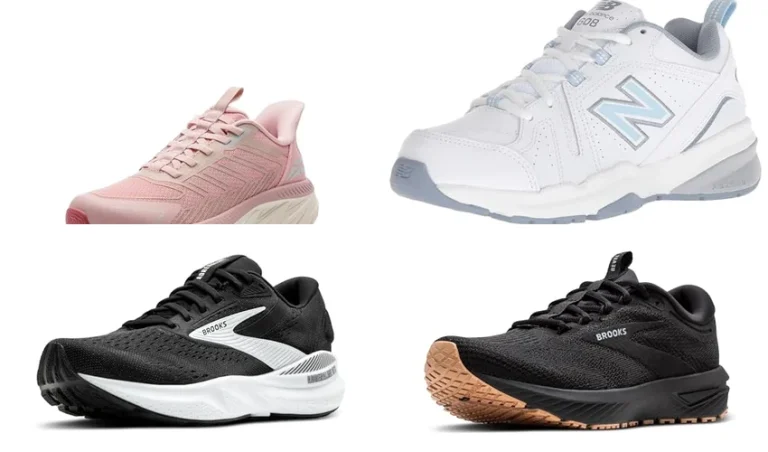
1 Best Shoe for Overweight Walkers
The best shoe for overweight walkers depends on your specific needs. The Brooks Women’s Ariel GTS 24 is best for walkers seeking maximum support and diabetic-friendly certification, offering nitrogen-infused cushioning that adapts to your unique stride while keeping excess joint movement in check. This shoe stands out with its GuideRails technology and APMA Seal of Acceptance, making it an excellent choice for anyone prioritizing foot health during daily walks.
Finding the right walking shoe when you carry extra weight is crucial for comfort and injury prevention. A good shoe should provide excellent cushioning to absorb impact, stable support to keep your feet aligned, and a roomy fit that doesn’t pinch or cause blisters during longer walks.
Quick Comparison Table
| Product | Cushioning Type | Support System | Fit Width | Certifications | Heel-Toe Drop |
|---|---|---|---|---|---|
| Brooks Women’s Ariel GTS 24 | DNA Loft v3 Nitrogen-infused | GuideRails holistic support | Wide available | PDAC A5500 Diabetic, APMA Seal | 12mm standard drop |
1. Brooks Women’s Ariel GTS 24 – Maximum Support Walking Shoe

Best for: Overweight walkers who need certified diabetic-friendly shoes with superior cushioning and joint support.
Key Features:
| Feature | Details |
| Cushioning | Soft nitrogen-infused DNA Loft v3 |
| Stability Tech | GuideRails keeps feet aligned |
| Fit | Generous roomy wide width option |
| Certifications | PDAC A5500 Diabetic approved |
| Upper Design | Engineered for lockdown comfort |
The Brooks Women’s Ariel GTS 24 is the best walking shoe for overweight walkers seeking professional-grade support and comfort. This shoe features nitrogen-infused DNA Loft v3 cushioning that adapts to your unique stride while remaining durable through miles of walking.
The midsole and outsole use linear last construction to provide stable support that keeps your feet in their natural motion path. GuideRails technology limits excess joint movement, which is especially important when carrying extra weight.
The engineered upper offers a generous, roomy fit with excellent lockdown to keep your foot secure without pinching. You’ll appreciate the soft materials that prevent blisters during longer walking sessions.
This shoe earned PDAC A5500 diabetic certification and the APMA Seal of Acceptance, meaning it meets strict health standards. These certifications matter because they prove the shoe prioritizes foot health and comfort.
The Ariel GTS 24 is an investment in your walking comfort and long-term foot health. If you’re serious about daily walking while managing extra weight, this shoe delivers the support you need.
Pros:
- Exceptional cushioning adapts to your stride
- GuideRails reduces excess joint stress
- Wide width available for comfort
- Certified diabetic-friendly shoe
- APMA Seal of Acceptance
Cons:
- Higher price point than basic shoes
- Women’s sizing only in this model
How to Choose best shoe for overweight walkers
Cushioning and Impact Protection
Extra weight puts more pressure on your feet with every step, so cushioning is critical. Look for shoes with soft, responsive foam that absorbs shock without feeling mushy or unstable.
Nitrogen-infused or gel cushioning systems work better than basic foam because they provide both softness and durability. Test the shoe by pressing on the midsole—it should feel springy and supportive, not hard or flat.
Stability and Support Features
Your feet need guidance to stay in proper alignment, especially when carrying extra weight. Look for shoes with built-in stability technology like GuideRails or similar support systems that limit excess motion.
A structured midsole and firm heel counter keep your foot stable during walking. This prevents rolling or twisting that can lead to pain or injury over time.
Proper Fit and Width Options
A shoe that’s too tight causes blisters and discomfort, while one that’s too loose offers no support. Always choose a shoe available in wide widths if you need extra room.
Make sure there’s a thumb’s width of space between your longest toe and the shoe’s end. The heel should feel snug without slipping when you walk.
Certifications and Health Standards
Diabetic certifications and APMA seals mean the shoe meets strict comfort and health standards. These certifications guarantee the shoe won’t cause pressure points or skin irritation during extended wear.
Shoes with these endorsements are designed with foot health as the priority. They’re worth the extra investment if you have sensitive feet or existing foot concerns.
Weight Capacity Considerations
While shoes don’t have official weight limits, heavier shoes with reinforced construction handle extra weight better. Look for shoes with thicker midsoles and durable outsoles designed for daily walking.
Shoes made with quality materials last longer under heavier use. Check customer reviews to see how the shoe holds up after months of regular walking.
Frequently Asked Questions
What makes a shoe good for overweight walkers?
Good walking shoes for heavier individuals need excellent cushioning to absorb impact, stability features to keep feet aligned, and wide width options for comfort. The shoe should also use durable materials that hold up to regular use.
How much should I spend on walking shoes?
Quality walking shoes typically cost $120-$180, but they last longer and prevent foot problems that cost more to fix. Investing in a good shoe now saves money on podiatry visits later.
Do I need special shoes if I’m overweight?
You don’t need shoes labeled “for heavy people,” but you do need quality shoes with strong support and cushioning. Look for stability features and wide width options rather than special marketing claims.
How often should I replace my walking shoes?
Replace walking shoes every 300-500 miles or when cushioning feels flat. For daily walkers, this usually means every 6-12 months depending on how much you walk.
Are expensive shoes always better?
Price doesn’t always equal quality, but very cheap shoes often lack the support and durability you need. Mid-range to premium shoes from trusted brands offer the best value for walking comfort.
Final Thoughts
The Brooks Women’s Ariel GTS 24 stands out as the top choice for overweight walkers seeking certified support and lasting comfort.
When choosing a walking shoe, prioritize cushioning, stability features, proper fit, and quality construction over price alone. Your feet carry you through life—they deserve shoes that support them properly.
Start with the right shoe, and you’ll find daily walking becomes easier, more enjoyable, and better for your long-term foot health.