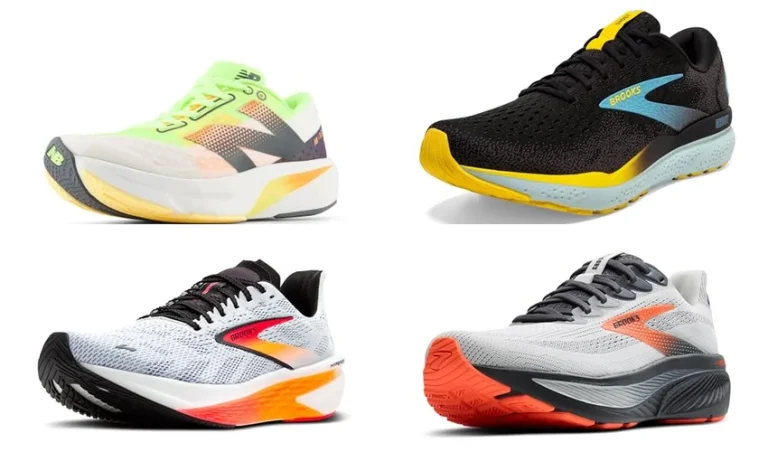
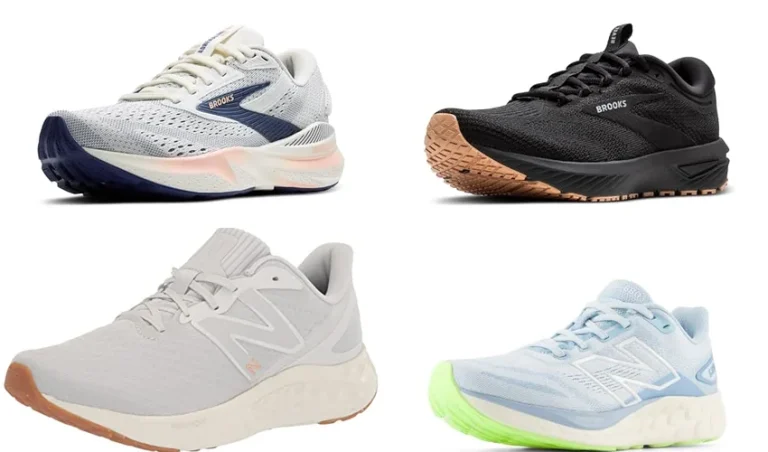
8 Best Shoes for Running and Training Revealed
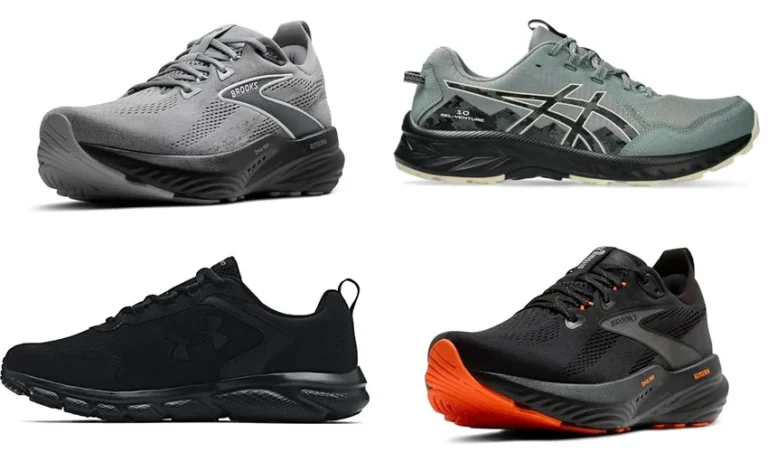
The best shoe for running and training depends on your needs. The Brooks Adrenaline GTS 24 is best for runners needing extra support and stability, while the Brooks Ghost 16 excels for neutral runners wanting a smooth, distraction-free ride. For budget-conscious buyers seeking versatile training shoes, the Nike Run Swift 3 stands out with responsive foam cushioning and secure fit technology.
Whether you’re logging miles on the road, hitting the gym, or tackling trails, there’s a perfect shoe in this roundup for you. We’ve tested and compared eight top-rated options across different price points and performance levels to help you make the right choice.
Quick Comparison Table
| Product | Support Type | Cushioning Technology | Best Use | Upper Material | Outsole Type |
|---|---|---|---|---|---|
| Brooks Adrenaline GTS 24 | Guided Support | DNA Loft v3 (Nitrogen-infused) | Road Running | Engineered Air Mesh | Smooth Transition |
| Brooks Ghost 16 | Neutral | DNA Loft v3 (Nitrogen-infused) | Multi-Purpose | Engineered Air Mesh | RoadTack Rubber |
| ASICS Gel-Excite 11 | Neutral | FF BLAST PLUS + PureGEL | Road Running | Engineered Mesh | FLUIDRIDE |
| ASICS Gel-Venture 10 | Neutral | Rearfoot GEL + AMPLIFOAM | Trail Running | Mesh | Trail-Specific Pattern |
| Nike Air Monarch IV | Supportive | Air-Sole Unit | Training/Gym | Leather/Synthetic | Durable Rubber |
| Nike Run Swift 3 | Neutral | Foam Cushioning | Road Running | Synthetic Blend | Rubber |
| Under Armour Charged Assert 9 | Supportive | Charged Cushioning | Training/Gym | Mesh + Leather | Solid Rubber |
| WHITIN Trail Running Shoes | Minimal | 5mm Power Footbed | Trail/Minimalist | Engineered Knit | Sticky-Grip Rubber |
Best Shoes for Running and Training
1. Brooks Adrenaline GTS 24 – Ultimate Support for Guided Running

Best for: Runners who need extra support and stability with certified diabetic-friendly cushioning.
Key Features:
| Feature | Details |
| GuideRails Support System | Holistic motion path support |
| DNA Loft v3 Cushioning | Nitrogen-infused, lightweight foam |
| Engineered Air Mesh Upper | Breathable with structure |
| Smooth Transitions | Redesigned outsole for flow |
| Certifications | PDAC A5500 Diabetic approved |
The Brooks Adrenaline GTS 24 is the best choice for runners seeking maximum support and stability. The innovative GuideRails system keeps your body in its natural motion path while preventing excess movement that can cause injury. You’ll feel the difference with nitrogen-infused DNA Loft v3 cushioning that adapts to your unique stride mile after mile.
The engineered air mesh upper provides just the right balance of breathability and structure for a comfortable fit. The newly designed outsole promotes smooth transitions from landing to toe-off, making every step feel effortless.
These shoes come certified as diabetic-friendly and have earned the APMA Seal of Acceptance. If you need serious support without sacrificing comfort, this is your shoe.
Pros:
- Excellent arch support
- Lightweight cushioning
- Certified for diabetic feet
- Smooth transitions
Cons:
- Higher price point
- May feel snug initially
2. Brooks Ghost 16 – Best Neutral Running Shoe for Smooth Rides

Best for: Neutral runners who want a distraction-free, versatile shoe for road, gym, or casual wear.
Key Features:
| Feature | Details |
| DNA Loft v3 Cushioning | Soft, nitrogen-infused foam |
| 3D Fit Print | Seamless, secure fit design |
| Segmented Crash Pad | Easy landing-to-toe-off flow |
| RoadTack Rubber Outsole | Recycled silica, durable |
| Sustainability | Carbon neutral certified |
The Brooks Ghost 16 delivers a refined running experience for anyone seeking neutral support without distractions. The soft nitrogen-infused DNA Loft v3 cushioning provides lightweight comfort that adapts to your stride naturally. You can wear these shoes for road running, walking, cross training, or gym work—they’re that versatile.
The refined 3D Fit Print creates a more seamless and secure fit compared to previous versions. The segmented crash pad promotes an easy flow from landing to toe-off, ensuring smooth transitions with every step.
Built with sustainability in mind, this shoe is certified carbon neutral. It’s the perfect all-around shoe for runners who want comfort without complications.
Pros:
- Versatile for multiple activities
- Smooth, responsive ride
- Carbon neutral certified
- Great value for quality
Cons:
- No arch support for overpronators
- Neutral shoes may not suit all foot types
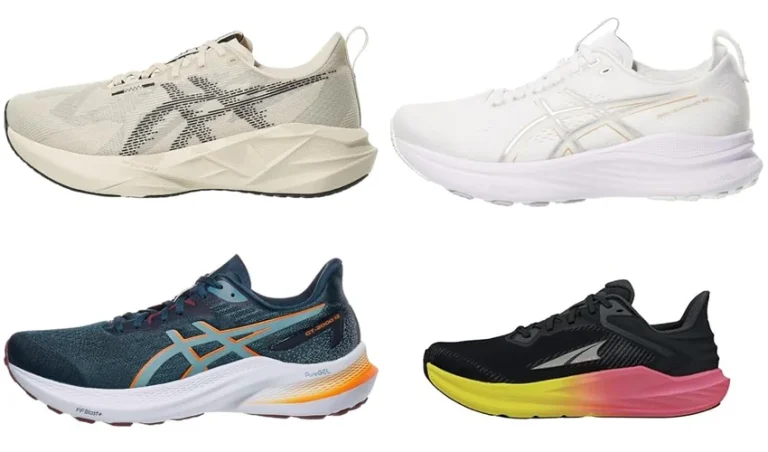
3. ASICS Gel-Excite 11 – Budget-Friendly Comfort for Daily Running

Best for: Budget-conscious runners wanting responsive cushioning and smooth strides at an affordable price.
Key Features:
| Feature | Details |
| FF BLAST PLUS Cushioning | Cloud-like, responsive foam |
| PureGEL Technology | 65% softer than standard GEL |
| AMPLIFOAM PLUS Cushioning | Soft, comfortable ride |
| Engineered Mesh Upper | Lightweight, breathable |
| FLUIDRIDE Outsole | Smoother stride mechanics |
The ASICS Gel-Excite 11 is perfect for runners on a budget who don’t want to compromise on comfort. The combination of FF BLAST PLUS and PureGEL technology creates a cloud-like cushioning experience that’s 65% softer than standard GEL technology. You get responsive support that adapts to your foot strike naturally.
The engineered mesh upper keeps your feet cool and dry while reducing the need for additional overlays. The FLUIDRIDE outsole helps create smoother strides, making this shoe ideal for daily training runs.
At this price point, you’re getting premium ASICS technology without breaking the bank. It’s an excellent entry-level shoe for new runners or a great backup shoe for experienced runners.
Pros:
- Affordable price
- Soft, responsive cushioning
- Lightweight design
- Great for daily running
Cons:
- Less durable than premium models
- Limited color options
4. ASICS Gel-Venture 10 – Best Trail Running Shoe for Off-Road Adventures

Best for: Trail runners needing grip, cushioning, and eco-conscious construction on uneven terrain.
Key Features:
| Feature | Details |
| Rearfoot GEL Technology | Impact absorption, softer feel |
| AMPLIFOAM Cushioning | Enhanced comfort underfoot |
| Trail-Specific Outsole | Improved grip on surfaces |
| Breathable Mesh Upper | Airflow, moisture control |
| Eco-Friendly Sockliner | 33% less water usage |
The ASICS Gel-Venture 10 is your go-to shoe for trail running and off-road adventures. The rearfoot GEL technology improves impact absorption while creating a softer feeling at footstrike, protecting your feet on rocky terrain. The trail-specific outsole pattern provides superior grip on various surfaces, keeping you stable on technical trails.
The breathable mesh upper keeps your feet cool during intense trail sessions. The sockliner is produced using a solution dyeing process that reduces water usage by 33% and carbon emissions by 45% compared to conventional methods.
If you’re serious about trail running and want cushioning plus eco-conscious construction, this shoe delivers both.
Pros:
- Excellent trail grip
- Eco-friendly construction
- GEL cushioning technology
- Durable for rough terrain
Cons:
- Not ideal for road running
- Heavier than road shoes
5. Nike Air Monarch IV – Classic Training Shoe for Gym and Workouts

Best for: Gym-goers and cross-trainers seeking durable, supportive shoes with classic comfort.
Key Features:
| Feature | Details |
| Leather/Synthetic Upper | Durable, classic comfort |
| Air-Sole Unit | Full-length cushioning support |
| Durable Rubber Sole | Long-lasting traction |
| Wide Width Available | Extra Wide option (11.5) |
| Design | Timeless, versatile style |
The Nike Air Monarch IV is the classic training shoe that’s been trusted for decades. Leather and synthetic leather team up to provide durability and comfort that lasts through countless gym sessions. The Air-Sole unit runs the full length of your foot, delivering consistent cushioning and support for all your workout moves.
This shoe excels in the weight room and on the training floor. The durable rubber sole provides reliable traction whether you’re lifting, jumping, or moving side to side.
If you want a no-nonsense training shoe that won’t let you down, the Air Monarch IV is a proven choice that’s stood the test of time.
Pros:
- Durable construction
- Excellent gym support
- Full-length Air cushioning
- Available in wide widths
Cons:
- Heavy for running
- Not designed for road running
6. Nike Run Swift 3 – Responsive Foam for Lightweight Road Running

Best for: Road runners wanting responsive cushioning and a secure fit at a mid-range price.
Key Features:
| Feature | Details |
| Foam Cushioning | Soft underfoot feel |
| Higher Foam Height | Plush sensation per step |
| Flywire Cables | Secure foot support |
| Lightweight Design | Responsive performance |
| Lace Security | Adjustable fit system |
The Nike Run Swift 3 delivers responsive foam cushioning that feels plush with every step. The higher foam height gives you that cloud-like sensation runners crave, while maintaining responsiveness for efficient running. Flywire cables help secure your feet and provide support when you tighten the laces, keeping you stable throughout your run.
This shoe strikes a perfect balance between comfort and performance. The lightweight design means you’re not dragging extra weight, but you still get the cushioning protection you need.
At this price point, you’re getting quality Nike technology without paying premium prices. It’s ideal for runners who want responsive comfort for daily road running.
Pros:
- Responsive foam cushioning
- Secure Flywire system
- Lightweight and fast
- Good value pricing
Cons:
- Minimal arch support
- Not ideal for overpronators
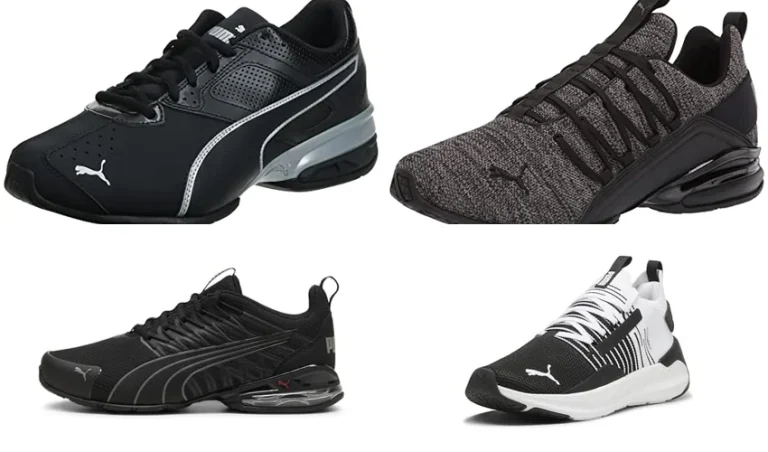
7. Under Armour Charged Assert 9 – Durable Training Shoe for Cross-Training
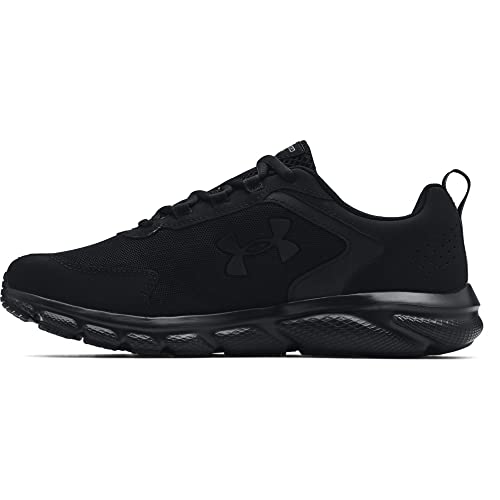
Best for: Cross-trainers and gym enthusiasts needing responsive cushioning and midfoot stability.
Key Features:
| Feature | Details |
| Lightweight Mesh Upper | Breathable with digital print |
| Durable Leather Overlays | Stability and midfoot lock |
| EVA Sockliner | Soft step-in comfort |
| Charged Cushioning | Responsive compression foam |
| Solid Rubber Outsole | High-impact zone coverage |
The Under Armour Charged Assert 9 is built for cross-training and gym work where you need responsiveness and stability. The lightweight mesh upper with 3-color digital print keeps your feet cool while looking sharp. Durable leather overlays provide the stability and midfoot lock you need for lateral movements and weight lifting.
The Charged Cushioning midsole uses compression-molded foam for ultimate responsiveness and durability. The solid rubber outsole covers high-impact zones, giving you greater durability with less weight.
This is a solid training shoe that won’t let you down during intense cross-training sessions or gym workouts.
Pros:
- Responsive cushioning
- Excellent midfoot support
- Lightweight and breathable
- Great for cross-training
Cons:
- Not ideal for long-distance running
- Limited size options
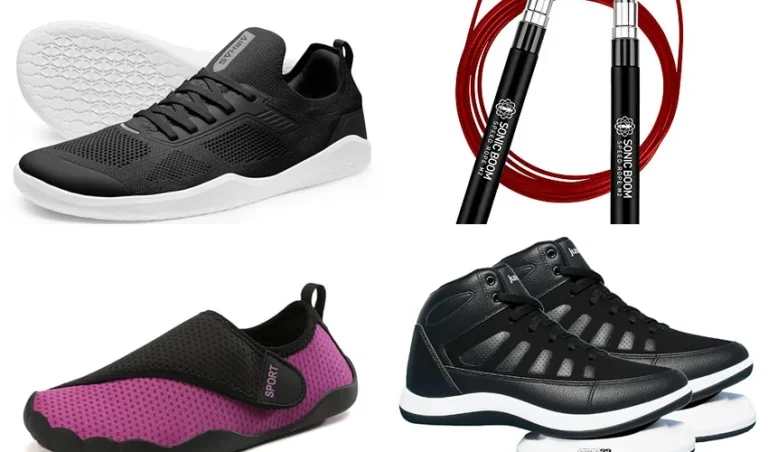
8. WHITIN Trail Running Shoes – Minimalist Option for Natural Movement

Best for: Minimalist runners and trail enthusiasts seeking zero-drop shoes with natural movement patterns.
Key Features:
| Feature | Details |
| Zero-Drop Sole | Non-elevated, proper posture |
| 5mm Power Footbed | Minimal underfoot cushioning |
| Engineered Knit Upper | Sock-like fit, flexible |
| Padded Rear Collar | Achilles comfort protection |
| Sticky-Grip Outsole | Trail-ready grip and traction |
The WHITIN Trail Running Shoes are perfect for minimalist runners who want to feel the ground beneath their feet. The zero-drop, non-elevated sole promotes proper posture and balance, allowing your feet to move naturally. The 5mm power footbed provides just enough cushioning without compromising the minimalist feel.
The engineered knit upper creates a sock-like fit that’s incredibly flexible and responsive. The sticky-grip rubber outsole combines grip, traction, and durability for authentic trail-ready performance.
If you’re transitioning to minimalist running or prefer natural movement patterns, these shoes deliver the barefoot experience with practical protection.
Pros:
- True minimalist design
- Natural movement feel
- Excellent trail grip
- Budget-friendly price
Cons:
- Not for traditional runners
- Requires adjustment period
How to Choose Best Shoes for Running and Training
Determine Your Foot Type and Gait
Understanding whether you overpronate, underpronate, or have a neutral gait is crucial. You can visit a specialty running store for a gait analysis, or watch yourself running in a mirror to see how your foot lands.
Once you know your gait pattern, look for shoes designed to support your specific needs. Overpronators benefit from guided support shoes, while neutral runners have more flexibility in their choices.
Consider Your Primary Use
Are you training for a marathon, hitting the gym, or exploring trails? Different activities require different shoe designs. Road running shoes prioritize cushioning and smooth transitions, while training shoes focus on lateral support and stability.
Choose shoes specifically designed for your main activity to get the best performance and injury prevention.
Check Cushioning and Support Levels
Cushioning preferences vary widely among runners. Some prefer maximum cushioning for comfort, while others want minimal cushioning to feel the ground. Support levels also matter—from neutral to maximum support options.
Consider your personal comfort preference and any existing foot issues when selecting cushioning and support levels.
Fit and Comfort Matter Most
The best shoe is the one that fits your foot properly and feels comfortable. You should have about a thumb’s width of space between your longest toe and the shoe’s end. The heel shouldn’t slip, and the midfoot should feel snug without being tight.
Always try shoes on in the afternoon when your feet are slightly swollen, and wear the socks you’ll be running in.
Budget for Quality
Running shoes are an investment in your health and injury prevention. While budget options exist, mid-range to premium shoes typically offer better durability and technology. Plan to spend between $60 and $150 for quality running shoes.
Consider replacing your shoes every 300-500 miles to maintain optimal support and cushioning.
Frequently Asked Questions
How often should I replace my running shoes?
Most running shoes last 300-500 miles before the cushioning breaks down and support diminishes. For regular runners, this typically means replacing shoes every 6-12 months.
What’s the difference between running shoes and training shoes?
Running shoes prioritize forward motion, cushioning, and smooth transitions for distance running. Training shoes focus on lateral support, stability, and durability for gym work and cross-training movements.
Can I use running shoes for weight lifting?
It’s not ideal. Running shoes have soft, compressible cushioning that can feel unstable during heavy lifts. Dedicated training shoes provide better midfoot support and stability for strength training.
Are expensive running shoes always better?
Not necessarily. The best shoe is one that fits your foot properly and matches your specific needs. Mid-range shoes often offer excellent quality and features at better value than premium brands.
What should I look for in a trail running shoe?
Trail shoes need aggressive tread patterns for grip, reinforced uppers for protection, and rock plates or protective toe caps. They should also have good ankle support and be more durable than road shoes.
Final Thoughts
The Brooks Adrenaline GTS 24 stands out as the best overall choice for runners needing support, while the Brooks Ghost 16 excels for versatile, neutral running. Consider your foot type, primary activity, and budget when making your final decision.
The right shoe makes all the difference in your running and training experience. Test multiple options if possible, and don’t hesitate to revisit your choice if something doesn’t feel right after a few runs.
Invest in quality footwear, and your body will thank you with better performance, comfort, and fewer injuries.