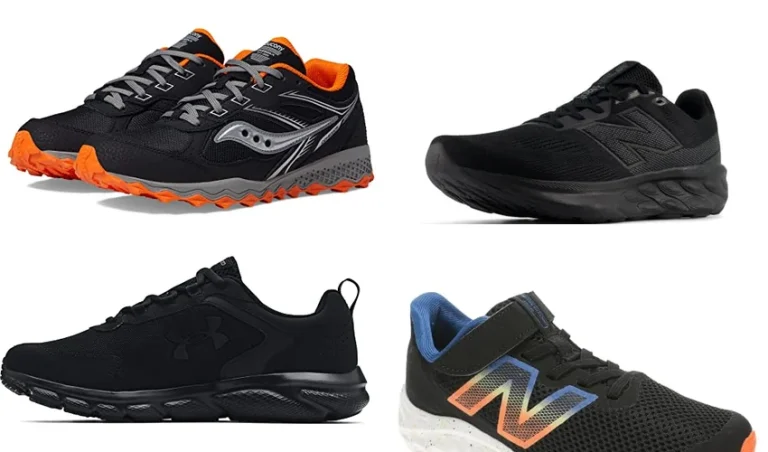
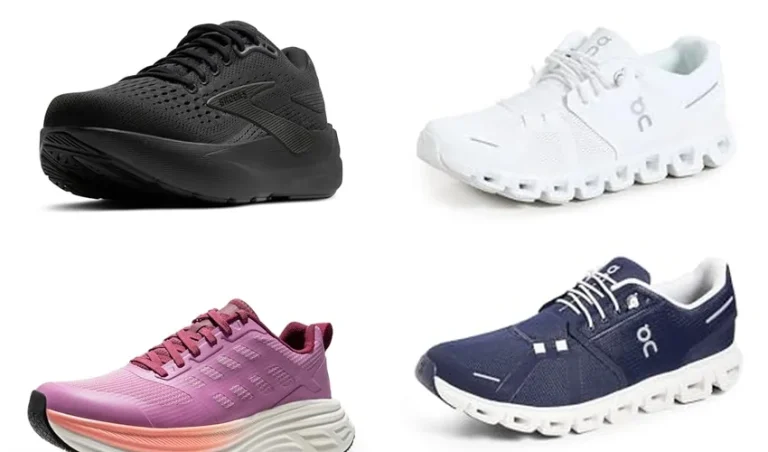
6 Best Ultra Running Shoes for Long-Distance Trail Adventures
The best shoes for ultra running depend on your needs. The Brooks Caldera 8 is best for rocky mountain terrain with its plush DNA Loft v3 cushioning, while the Salomon Ultra Flow excels at mixed terrain with its versatile road-to-trail design. For maximum grip and protection on technical trails, the Saucony Xodus Ultra 4 stands out with its Vibram Mega-Grip outsole and max cushioning.
Ultra running demands shoes that can handle hours on your feet across unpredictable terrain. The right pair protects your feet, reduces fatigue, and keeps you moving confidently whether you’re tackling rocky peaks or muddy forest trails.
Quick Comparison Table
| Product | Cushioning Type | Best Terrain | Weight | Outsole Grip | Waterproof |
|---|---|---|---|---|---|
| Brooks Caldera 8 | DNA Loft v3 (High-Stack) | Rocky/Mountain | Moderate | Flex Grooves | No |
| Salomon Ultra Flow | Ultra Plush | Mixed/Road+Trail | Lightweight | Contagrip (3.5mm) | No |
| Skechers Go Run Consistent | Ultra Light Midsole | Road/Light Trail | Ultra Light (8.75oz) | Standard | No |
| ANTA PG7 | Peak Gravity (Low) | Road/Daily | Ultra Light (310-400g) | A-GRIP (Non-Slip) | No |
| New Balance Fresh Foam 680 | Fresh Foam (Bio-based) | Road/Casual | Lightweight | Integrated Rubber | No |
| Saucony Xodus Ultra 4 | PWRRUN PB (Max) | Technical Trail | Moderate | Vibram Mega-Grip | No |
Best Shoes for Ultra Running
1. Brooks Caldera 8 – Maximum Cushioning for Rocky Terrain

Best for: Distance trail runners tackling rocky, mountainous terrain who need maximum protection and comfort.
Key Features:
| Feature | Details |
| Cushioning | DNA Loft v3 high-stack softness |
| Stability | Raised sidewalls for security |
| Upper Material | Durable, scratch-resistant mesh |
| Outsole | Widened base with flex grooves |
| Sustainability | Carbon Neutral certified |
The Brooks Caldera 8 is the best ultra running shoe for runners seeking maximum protection over rough, rugged mountain terrain. Its DNA Loft v3 cushioning acts like a bike tire, absorbing impact from rocks and roots while keeping your feet comfortable mile after mile. The breathable air mesh upper with TPEE keeps your feet cool during long efforts, and the raised sidewalls provide extra security on unstable ground.
The widened base and flex grooves work together to stabilize your landings, which is crucial when you’re tired in the final hours of an ultra. This shoe genuinely shines on technical mountain trails where protection matters more than speed. Brooks also made this a Carbon Neutral certified product, so you’re making an eco-conscious choice.
Pros:
- Exceptional cushioning for long distances
- Excellent sidewall protection
- Durable upper resists trail damage
- Carbon Neutral certified
Cons:
- Heavier than some competitors
- May feel bulky on smooth trails
2. Salomon Ultra Flow – Best for Mixed Terrain Runners

Best for: Ultra runners who transition between roads and trails and need versatile, plush cushioning.
Key Features:
| Feature | Details |
| Cushioning | Ultra plush, elevated stack height |
| Versatility | Road and trail capable |
| Upper | Soft, adaptive materials |
| Outsole | Contagrip with 3.5mm lugs |
| Closure | Regular lace system |
The Salomon Ultra Flow is the best ultra running shoe for athletes who want plush comfort without sacrificing trail capability. This shoe seamlessly bridges road and trail running with its cushioned interior and adaptive upper that molds to your feet. The elevated stack height provides that cloud-like feel that helps prevent fatigue during ultra distances.
Its Contagrip rubber outsole with 3.5mm lugs delivers confident grip on both smooth tarmac and earthy terrain, making it perfect for mixed-surface ultras. The adaptive materials ensure a secure foothold even when your feet swell during long efforts. This is an excellent choice if your ultra course includes significant road sections.
Pros:
- Excellent road-to-trail transition
- Ultra plush cushioning
- Adaptive upper molds to feet
- Premium traction on mixed surfaces
Cons:
- Not ideal for extreme rocky terrain
- Lacing system requires adjustment
3. Skechers Go Run Consistent – Budget-Friendly Lightweight Option
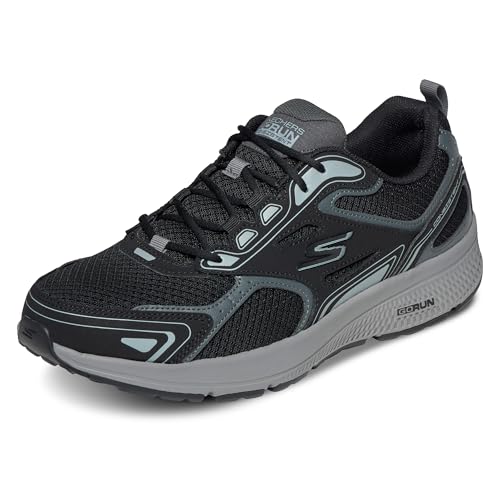
Best for: Budget-conscious runners seeking lightweight shoes for shorter ultras or road-based races.
Key Features:
| Feature | Details |
| Weight | Ultra lightweight (8.75oz size 9) |
| Cushioning | Ultra Light midsole |
| Insole | Air-Cooled Goga Mat |
| Upper | Leather and mesh blend |
| Maintenance | Machine washable |
The Skechers Go Run Consistent is the best ultra running shoe for runners on a budget who prioritize lightweight performance. At just 8.75 ounces in size 9, these shoes minimize the energy you expend moving your feet, which matters during long races. The Ultra Light midsole provides responsive cushioning, while the Air-Cooled Goga Mat insole offers high-rebound support.
M-Strike technology promotes efficient transitions from landing to toe-off, helping you maintain a smooth stride when fatigue sets in. The breathable mesh and leather upper keeps your feet cool, and the machine-washable design makes cleanup easy. This shoe works best for road-based ultras or runners who prefer speed over maximum protection.
Pros:
- Extremely affordable price
- Ultra lightweight design
- Machine washable
- Responsive cushioning
Cons:
- Limited trail protection
- Not designed for technical terrain
4. ANTA PG7 – Best for Wide Feet and Heavier Runners

Best for: Larger runners and those with wide feet seeking maximum comfort and low-impact cushioning.
Key Features:
| Feature | Details |
| Toe Box | Wide anatomical design |
| Cushioning | Peak Gravity under 8 |
| Insole | Cloud-like memory foam |
| Weight | Ultra light (310-400g) |
| Outsole | A-GRIP non-slip sole |
The ANTA PG7 is the best ultra running shoe for heavier runners and those with wide feet who need superior comfort support. Its anatomical wide toe box allows natural toe splay, reducing pressure and discomfort during long distances. The innovative Peak Gravity cushioning system delivers unmatched shock absorption while remaining incredibly lightweight.
The cloud-like memory foam insole reduces foot fatigue, and the 6mm drop provides a natural running position. The A-GRIP sole offers excellent non-slip performance on various surfaces. This shoe is specifically engineered for runners who need extra support without sacrificing responsiveness, making it ideal for half marathons through ultras.
Pros:
- Wide toe box design
- Excellent shock absorption
- Memory foam insole comfort
- Ultra lightweight
Cons:
- Limited trail-specific features
- Better for road than technical trails
5. New Balance Fresh Foam 680 V8 – Eco-Conscious Road Runner

Best for: Environmentally-conscious runners seeking lightweight cushioning for road-based ultras.
Key Features:
| Feature | Details |
| Cushioning | Fresh Foam with 3% bio-based |
| Upper | Precision-engineered knit |
| Construction | No-sew for sleek fit |
| Drop | 8mm (approximately) |
| Sustainability | Bio-based materials |
The New Balance Fresh Foam 680 V8 is the best ultra running shoe for eco-conscious runners who want lightweight cushioning. Its Fresh Foam midsole with 3% bio-based content delivers an ultra-cushioned, lightweight ride while reducing carbon footprint. The precision-engineered knit upper provides maximum comfort and targeted ventilation.
The no-sew construction creates a sleek, comfortable fit with no irritation during long runs. The integrated rubber outsole provides underfoot comfort on every step. This shoe excels on road courses and works well for runners who prioritize environmental responsibility alongside performance.
Pros:
- Bio-based sustainable materials
- Ultra-cushioned lightweight ride
- No-sew construction comfort
- Excellent ventilation
Cons:
- Road-focused design
- Limited trail capability
6. Saucony Xodus Ultra 4 – Maximum Grip for Technical Trails

Best for: Ultra runners tackling technical, rocky trails who need maximum traction and protection.
Key Features:
| Feature | Details |
| Cushioning | PWRRUN PB max with PWRRUN |
| Outsole | Vibram Mega-Grip |
| Upper | Rugged engineered mesh |
| Protection | High-abrasion coverage |
| Compatibility | D-Ring for gaiters |
The Saucony Xodus Ultra 4 is the best ultra running shoe for technical trail runners seeking unmatched grip and protection. Its max-cushioned PWRRUN PB midsole delivers soft, bouncy comfort while a responsive PWRRUN chassis provides durability and protection. The full-coverage Vibram Mega-Grip outsole offers maximum traction on challenging terrain.
The high-strength, rugged engineered mesh protects your feet from dirt and debris while remaining lightweight in high-abrasion areas. The D-Ring allows quick gaiter compatibility for muddy conditions. This shoe excels on technical mountain trails where grip and foot protection are non-negotiable.
Pros:
- Maximum traction with Vibram grip
- Excellent foot protection
- Max cushioning for comfort
- Gaiter-compatible D-Ring
Cons:
- Heavier than lightweight options
- Overkill for road-based ultras
How to Choose Best Shoes for Ultra Running
Consider Your Terrain
Different ultras demand different shoes. Rocky mountain courses need maximum cushioning and protection, while road-based ultras prioritize lightweight speed.
Look at your race course profile and choose shoes designed for that specific environment. Technical trails require aggressive outsoles, while smooth terrain works with minimal tread.
Prioritize Cushioning for Distance
Ultra running puts extreme stress on your feet, so cushioning matters more than in shorter races. More cushioning equals better protection and less fatigue during those final miles.
Look for high-stack midsoles with plush materials like DNA Loft, PWRRUN PB, or Fresh Foam. Your feet will thank you at mile 50.
Check Your Foot Type and Width
Comfort during an ultra depends partly on how well shoes fit your feet. Wide-footed runners need shoes with generous toe boxes to prevent blisters and pressure points.
Consider your arch type and whether you overpronate or underpronate. Proper fit prevents injuries and keeps you running strong.
Balance Weight and Protection
Lighter shoes reduce fatigue but offer less protection. Heavier shoes protect better but require more energy to move. Find the right balance for your ultra distance and terrain.
For 50K road races, lightweight matters more. For 100-mile mountain ultras, protection should win.
Test Before Race Day
Never run an ultra in brand-new shoes. Break them in on training runs to ensure comfort and identify any issues before race day.
Run at least 20-30 miles in your race shoes during training. This prevents blisters, hot spots, and surprises when it matters most.
Frequently Asked Questions
What makes a shoe good for ultra running?
Ultra running shoes need maximum cushioning to protect your feet during long distances, aggressive outsoles for traction on varied terrain, and durable uppers that resist damage. They should also feel comfortable for 8+ hours of continuous running.
How much cushioning do I need for ultra running?
More cushioning is generally better for ultras since you’re on your feet for extended periods. Look for high-stack midsoles that provide substantial shock absorption without feeling unstable or spongy.
Are trail shoes better than road shoes for ultras?
It depends on your course. Technical mountain ultras absolutely need trail shoes with aggressive tread and foot protection. Road-based or mixed-terrain ultras work fine with road shoes or hybrid designs.
How often should I replace ultra running shoes?
Ultra shoes typically last 300-500 miles depending on terrain and your running style. Replace them when cushioning feels compressed or the outsole shows significant wear, usually every 3-6 months for active ultra runners.
Can I use the same shoes for training and racing?
Yes, but many runners prefer different shoes for training versus racing. Training shoes can be more protective and durable, while race shoes might prioritize lightweight speed. At minimum, ensure your race shoes are well-broken-in.
Final Thoughts
The Brooks Caldera 8 and Saucony Xodus Ultra 4 are the top choices for serious ultra runners tackling technical trails, while the Salomon Ultra Flow excels for mixed-terrain courses.
Your choice depends on your specific race terrain, foot type, and whether you prioritize cushioning, protection, or lightweight speed. Budget-conscious runners should consider the Skechers Go Run Consistent, while runners with wide feet will love the ANTA PG7.
Break in your shoes during training, test them on long runs, and choose based on your actual course demands rather than brand loyalty.